When Zambia lifted restrictions on maize and mealie meal exports, the reaction was immediate.
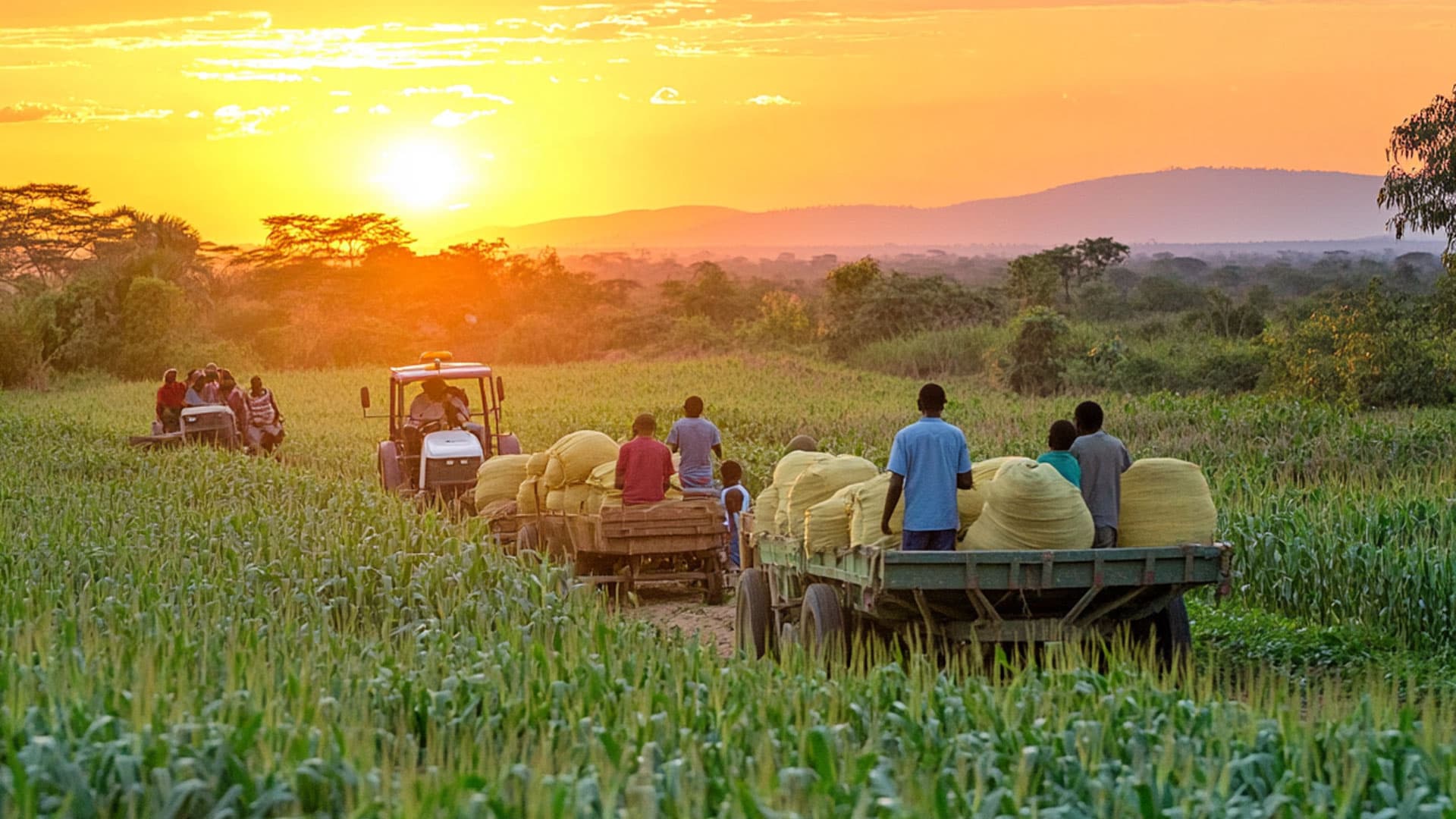
When Zambia lifted restrictions on maize and mealie meal exports, the reaction was immediate.
Some saw opportunity.
Others feared rising mealie meal prices.
Both are right.
Because this policy shift isn’t just about trade.
It’s about how a staple food becomes part of a market system.
A Market… Finally Open
For years, maize exports were tightly controlled.
Now, that door is open.
This means one thing:
Zambian maize can now flow to wherever demand is strongest.
And right now, regional demand is real.
Neighboring countries need maize.
Zambia has the potential to supply it.
That changes the economics completely.
The Price Tension
But markets come with consequences.
When exports increase, local supply can shrink—at least in the short term.
That creates pressure:
- Less maize locally
- Higher competition for stock
- Upward movement in mealie meal prices
So the concern is valid.
Could exports make food more expensive at home?
Yes—if not properly managed.
A Different Story for Farmers
While consumers worry about prices, farmers see something else.
Opportunity.
For small-scale farmers especially, this policy can be transformative:
- Higher demand → better farm-gate prices
- Better prices → increased income
- Increased income → reinvestment in production
For the first time in a while, the incentive structure improves.
And that matters.
Because agriculture doesn’t grow on policy alone.
It grows on profit signals.
From Crop to Economic Asset
There’s also a bigger picture.
Maize is no longer just a food crop.
It becomes:
- A trade commodity
- A source of foreign exchange
- A driver of agro-processing
Exports bring in dollars.
And dollars matter—for currency stability, for imports, for economic balance.
This is how agriculture connects to the macroeconomy.
The Risk Beneath the Surface
But here’s the tension.
Maize is not just another commodity.
It’s the foundation of Zambia’s food system.
If exports are not aligned with:
- National production levels
- Strategic reserves
- Consumption needs
Then the system becomes fragile.
And fragility shows up quickly—through price spikes and shortages.
The Balancing Equation
At its core, this policy is a balancing act.
Not between right and wrong—
But between growth and security.
To make it work, government must actively manage:
- Strategic food reserves
- Export volumes
- Market information flows
- Storage and post-harvest systems
Because an open market without coordination becomes volatility.
The Long-Term Effect
If managed well, something powerful can happen.
Higher prices today can lead to:
- Increased production tomorrow
- More efficient supply chains
- Greater market participation
Over time, this can stabilize prices—not raise them.
But that outcome is not automatic.
It depends on execution.
The Real Question
So the debate isn’t simply:
Are exports good or bad?
The real question is:
Can Zambia export maize and protect food security at the same time?
The answer is yes.
But only with discipline, data, and timing.
Final Thought
This policy is more than a trade decision.
It’s a shift in how Zambia positions its agricultural economy.
The upside is clear:
- Stronger farmers
- More exports
- Greater economic activity
But the risks are equally real.
And in the end, one truth remains:
The success of this policy won’t be decided by the market alone.
It will be decided by how well the market is managed.
Because Zambia is not just exporting maize.
It is exporting into a system that must still feed its own people.
© 2026 Kampamba Shula