On March 25, I ran a machine learning forecast on Zambia’s next fuel price adjustment. The model—driven by global oil movements, exchange rate dynamics, and historical pricing…
On March 25, I ran a machine learning forecast on Zambia’s next fuel price adjustment. The model—driven by global oil movements, exchange rate dynamics, and historical pricing behavior—projected petrol between K27.00 and K27.50 per litre.
Days later, the Energy Regulation Board (ERB) announced the April price: K27.15.
Right on target.
https://fuelforecast.streamlit.app/
But the real story isn’t the model—it’s the geopolitics behind the number.
A Price Written in Global Tensions
March 2026 has been shaped by rising geopolitical uncertainty. Tensions involving Iran, the United States, and Israel have pushed global oil markets into a fragile state. In this environment, oil prices are no longer responding only to supply and demand—they are reacting to risk.
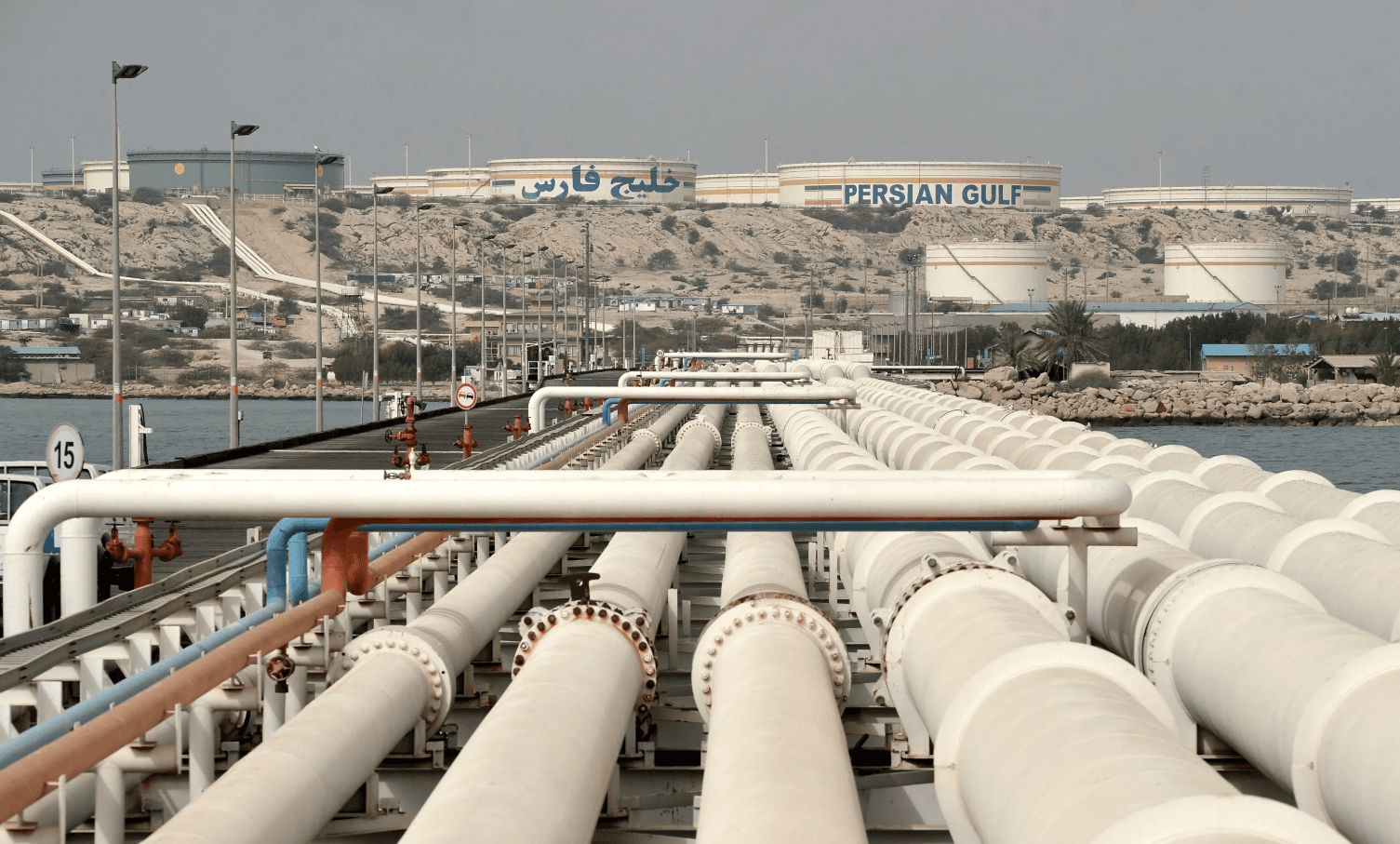
Iran’s strategic position near the Strait of Hormuz—one of the world’s most critical oil transit routes—means that even the possibility of disruption carries weight. Markets respond preemptively. Traders price in uncertainty. Insurance costs rise. Shipping risks increase.
The result is a structural uplift in global oil prices.
This is the invisible layer behind the numbers.
From Global Risk to Local Reality
For a country like Zambia, which imports refined petroleum products, these global shifts are not abstract—they are transmitted directly into the economy.
The mechanism is simple, but powerful:
Geopolitical tension → higher global oil prices → increased import costs → higher pump prices
But this chain does not operate in isolation.
Because fuel is priced in US dollars, exchange rate movements act as a second transmission channel. A stable kwacha can absorb part of the shock. A weakening kwacha amplifies it.
This dual exposure—to oil prices and to the dollar—is what ultimately determines the price at the pump.
Why the Forecast Worked
The accuracy of the forecast was not coincidence. It was a reflection of how structured and predictable this transmission mechanism has become.
By incorporating:
- Global oil price trends (including geopolitical risk premiums)
- USD/ZMW exchange rate dynamics
- Historical ERB pricing adjustments
the model was able to approximate how external shocks would filter into the local pricing framework.
What it captured was not just data—but behavior:
- How markets react to geopolitical signals
- How exchange rates buffer or amplify shocks
- How pricing frameworks translate costs into final prices
More Than Just a Number
The K27.15 price is not just a domestic adjustment.
It is a local expression of:
- Middle East geopolitical tension
- Global commodity market reactions
- Currency stability within Zambia
In other words, every litre of petrol now carries embedded information about the global economy.
A Shift Toward Predictability
What this moment highlights is a broader shift.
Fuel prices in Zambia are no longer purely administrative outcomes. They are increasingly predictable economic signals, shaped by:
- Global conflict
- Financial markets
- Exchange rate movements
- Policy frameworks
And with the right models, these signals can be anticipated with surprising accuracy.
Final Thought
We often think of geopolitics as distant—something that plays out in headlines and international diplomacy.
But its effects are immediate and measurable.
They show up at the pump.
The alignment between a machine learning forecast and the official price is more than a technical success. It is proof that even in a volatile, geopolitically driven world, data can bring clarity to complexity.
And increasingly, it can tell us what comes next.
© 2026 Kampamba Shula